
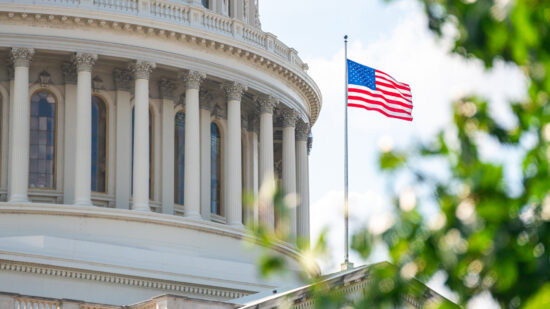
The results of the midterm elections have flipped both the House and Senate blue, handing Democrats control of both chambers. This change will likely lead to a surge in congressional investigations and the quick establishment of oversight agendas in the 120th Congress.
While we can expect the administration to be a key target of Congressional investigations, companies are not off the hook. The change in party control could allow Democrats to expand existing investigative activity in both chambers and open new lines of inquiry. After yesterday’s election, the incoming chairman of the House Oversight Committee, Rep. Robert Garcia, released a two-word statement: “Lawyer up.”
Corporate corruption is a probable target for Congressional investigations. Companies may receive requests for information, including letters and subpoenas, even if only as a part of a broader oversight strategy. With the 2028 elections on the horizon, lawmakers also will be eager to address issues that resonate with their constituencies.
Congressional investigative priorities for companies are likely to focus on healthcare, technology, trade, artificial intelligence, government contracts, and how companies in these industries have interacted with this administration. Some of these subjects may attract bipartisan interest, even where the parties disagree about the underlying problem or the appropriate response.
Industries Likely to Draw Attention
Healthcare
Expect scrutiny of drug-pricing agreements with the administration, Medicaid changes, and insurers’ financial incentives, building on existing inquiries by Sens. Ron Wyden and Elizabeth Warren. Pharmaceutical companies, insurers, and providers should be ready to explain how their pricing and business practices affect costs and access to care.
Government Contracts
Government contractors may face questions about contract awards and performance, building on Rep. Robert Garcia’s demands for answers about how contractors on administration projects were vetted. Companies should be ready to explain award terms, pricing, performance, and communications with government decisionmakers.
Technology & Artificial Intelligence
AI oversight could focus on children’s safety, personal data, and infrastructure costs. Sen. Ed Markey is already warning of “grave new risks to kids’ privacy and safety,” and Rep. Greg Casar has identified data centers as a leading election issue. Companies should be ready to address product safeguards, data practices, and the impact of AI infrastructure on local communities.
Trade
Companies that sought or received tariff relief should be ready to explain their requests, their contacts with government officials, and the basis for any exclusions. Tariff exclusions may draw scrutiny after Sens. Ron Wyden and Chris Van Hollen criticized the administration’s process as one that “has lacked transparency and procedural fairness.”
Takeaway
The prospect of congressional inquiry against companies is both very real and very serious. Congressional committees wield significant power to subpoena testimony and corporate documents, including internal communications, and to compel testimony of corporate officers. Failure to comply with lawful demands can result in enforcement procedures, including court ordered enforcement or contempt. Such requests raise not only legal and compliance issues but public relations implications as well.
Companies should prepare now. While we cannot know what Congress will investigate and when, businesses will likely receive letters, inquiries, or subpoenas that could arrive early in the new Congress. Rather than simply wait for an inquiry to arrive, companies should assess their risk profile, review their own policies, and preserve documents that may be pertinent to an investigation.
A first step is for companies to identify whether their business interests or practices interact with potential oversight agendas. Bradley attorneys are experienced in responding to letters from Congress and conducting internal investigations, and we can help navigate these inquiries.